Incredible Places in Indonesia Every Traveler Must Experience
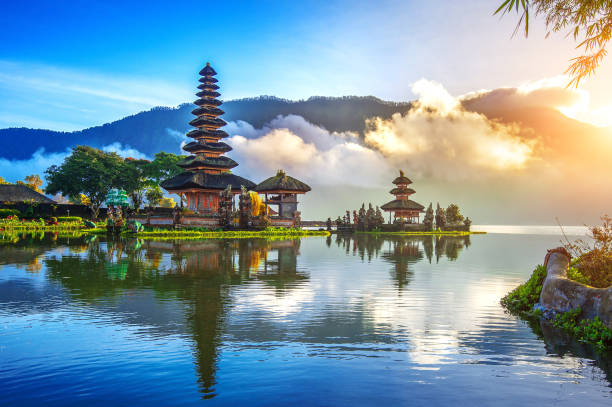
Indonesia is not a country — it is a world. An archipelago of 17,508 islands spanning 5,000 kilometers of ocean, home to the world’s largest Buddhist temple, the world’s largest volcanic lake, the world’s richest coral reefs, the world’s only living dinosaur, and some of the most extraordinary indigenous cultures that human civilization has ever produced.
From the incense-scented temples of Bali to the smoking crater of Mount Bromo at dawn; from the prehistoric dragons of Komodo to the nutmeg plantations of the ancient Spice Islands — Indonesia rewards the curious traveler with experiences of a depth and diversity found nowhere else on Earth.
In this comprehensive guide, we bring you 10 of Indonesia’s most unforgettable destinations — from iconic classics to spectacular hidden gems — with everything you need to plan your adventure: entry prices, facilities, opening hours, honest traveler reviews, and expert tips.
🔍 SEO Keywords: best places to visit Indonesia 2025 | Indonesia tourism guide | Bali travel | Borobudur temple | Komodo National Park | Raja Ampat diving | Mount Bromo sunrise | Yogyakarta culture | Lake Toba | Lombok Gili Islands | things to do Indonesia | Indonesia travel tips
🌴 #1 — Bali — Island of the Gods
📍 Location: Bali Province
⭐ Visitor Rating: ⭐⭐⭐⭐⭐
🏛️ Category: Cultural & Beach Paradise / Spiritual Destination
💰 Entry Price: Tanah Lot Temple: IDR 60,000 (~$4) | Uluwatu Temple: IDR 50,000 (~$3) | Tegallalang Rice Terrace: IDR 15,000 (~$1) | Beaches: Free
🕐 Opening Hours: Temples 07:00–19:00 | Rice Terraces open all day | Beaches open 24 hours
👥 Perfect For: Couples, honeymooners, solo travelers, surfers, yogis, spiritual seekers, foodies
Bali is Indonesia’s most beloved island and one of the world’s greatest travel destinations — a place where ancient Hindu culture, lush jungle landscapes, powder-white beaches, and a thriving arts scene collide in breathtaking harmony. Every corner of Bali tells a story: offerings on temple steps, the sound of gamelan music drifting across rice paddies, surfers catching waves at Kuta, and the scent of incense rising from moss-covered shrines.
✅ Facilities & What to Expect
- Tanah Lot — iconic sea temple perched on a dramatic ocean rock at sunset
- Uluwatu Cliff Temple — Kecak fire dance performance at sunset (IDR 150,000)
- Tegallalang & Jatiluwih UNESCO Rice Terraces — breathtaking green landscapes
- Ubud Monkey Forest — sacred sanctuary home to 1,260 long-tailed macaques
- Seminyak, Kuta, Nusa Dua, and Canggu beaches for surfing and relaxing
- World-class spa and wellness retreats from IDR 100,000/hour
- Ubud Art Market — handmade crafts, batik textiles, and silver jewelry
- International and local cuisine — from warungs (IDR 20,000) to fine dining
- Water temples, rice blessing ceremonies, and traditional dance shows
🏆 Why This Belongs on Your Bucket List
Bali works for every budget — you can eat a delicious nasi goreng for IDR 20,000 or sip cocktails at a clifftop infinity pool bar in Uluwatu. The Balinese people’s warmth and the island’s spiritual energy create an atmosphere found nowhere else on Earth. Ubud is the cultural heart; Seminyak the chic retreat; Canggu the hip surfer scene; Nusa Penida the raw adventure. Four experiences on one island. Bali deserves at least 7 days — most visitors come for a week and stay for months.
💬 Real Traveler Reviews
| ⭐⭐⭐⭐⭐ — Sophie W. (Australia) “Bali ruined all other travel destinations for me. The combination of culture, nature, food, and spirituality is unlike anywhere else. The Kecak fire dance at Uluwatu gave me chills.” |
| ⭐⭐⭐⭐⭐ — Hiroshi M. (Japan) “My 4th visit and Bali still surprises me. The rice terraces of Jatiluwih at sunrise, a traditional healing ceremony in Ubud — these are experiences money can’t manufacture elsewhere.” |
🌴 #2 — Borobudur Temple
📍 Location: Magelang, Central Java
⭐ Visitor Rating: ⭐⭐⭐⭐⭐
🏛️ Category: UNESCO World Heritage Buddhist Temple / Archaeological Marvel
💰 Entry Price: Domestic: IDR 50,000 (~$3) | International: IDR 350,000 (~$22) | Sunrise package: IDR 450,000 (~$28) | Under-10s: Free
🕐 Opening Hours: Open daily 06:00 – 17:00 | Sunrise tour begins at 04:30
👥 Perfect For: History lovers, spiritual seekers, photographers, architecture fans, culture enthusiasts
Borobudur is the largest Buddhist temple in the world and one of the greatest archaeological monuments on Earth — a 9th-century stone mandala rising from the jungle of Central Java with 2,672 relief panels, 504 Buddha statues, and 72 stupas arranged across 9 terraced levels. Built in the year 800 AD, it was lost to the jungle for centuries before being rediscovered in 1814.
✅ Facilities & What to Expect
- 9-tiered temple pyramid with 3 levels symbolizing Buddhist cosmology
- 2,672 intricately carved narrative relief panels — the world’s longest stone narrative
- 72 perforated stupas each containing a seated Buddha statue
- Sunrise tour with access before public hours — mist-covered and magical
- Borobudur Museum and Karmawibhangga Museum on-site
- Official audio guide service available
- Sarong rental for respectful temple entry (included in ticket)
- Surrounding park with traditional Javanese food stalls and craft vendors
- Nearby Mendut and Pawon temples for a complete Buddhist pilgrimage route
🏆 Why This Belongs on Your Bucket List
Borobudur at sunrise is one of the most transcendent experiences available to any traveler in Southeast Asia. As the mist lifts from the surrounding volcanic landscape and the first rays of light illuminate the ancient stone Buddhas, you understand exactly why this place was considered a path to enlightenment. The scale of the temple — covering 2,500 square meters — must be experienced in person to be believed. Combine with nearby Prambanan Hindu temple complex for an extraordinary day of ancient Javanese civilization.
💬 Real Traveler Reviews
| ⭐⭐⭐⭐⭐ — Elena V. (Russia) “The sunrise tour at Borobudur is the single most spectacular thing I have done in all of Southeast Asia. Standing above the mist with the volcanoes around you — absolutely sacred.” |
| ⭐⭐⭐⭐⭐ — William T. (USA) “More impressive than Angkor Wat in terms of detail and atmosphere. The 2,672 relief panels tell incredible stories. I needed 4 hours to absorb it all. Unmissable.” |
🌴 #3 — Komodo National Park
📍 Location: East Nusa Tenggara (NTT)
⭐ Visitor Rating: ⭐⭐⭐⭐⭐
🏛️ Category: UNESCO World Heritage Nature Reserve / Marine & Wildlife Park
💰 Entry Price: Park entrance: IDR 150,000 (~$10) | Boat tour (full day): IDR 750,000–2,000,000 | Scuba diving: from IDR 500,000/dive | Pink Beach visit included in boat tours
🕐 Opening Hours: Park open daily 07:00 – 17:00 | Liveaboard diving trips available year-round
👥 Perfect For: Wildlife lovers, divers, snorkelers, photographers, adventure seekers
Komodo National Park is one of the most extraordinary natural destinations on Earth — a remote archipelago in eastern Indonesia that is home to the Komodo Dragon, the world’s largest living lizard, growing up to 3 meters and 70kg. The park also protects some of the richest marine biodiversity on the planet, including manta rays, whale sharks, and the famous Pink Beach — one of only seven pink beaches in the world.
✅ Facilities & What to Expect
- Guided Komodo Dragon trekking on Komodo and Rinca islands
- Pink Beach (Pantai Merah) — one of the world’s rarest natural phenomena
- World-class scuba diving and snorkeling at over 20 dive sites
- Manta Point — guaranteed manta ray encounters from August to November
- Padar Island viewpoint trek — Instagram’s most famous Indonesia panorama
- Liveaboard diving boats for multi-day expeditions
- Traditional Kampung Komodo village cultural visits
- Glass-bottom boat tours for non-swimmers
- Professional rangers accompanying all trekking activities
🏆 Why This Belongs on Your Bucket List
Komodo is the stuff of explorer dreams — a place where dinosaur-era giants roam freely, where the sea turns pink at certain beaches, where the underwater world is so rich with life it challenges the imagination. The view from Padar Island’s summit at golden hour — with three bays of different colors stretching out below — is one of the most photographed images in all of Indonesia. Komodo rewards adventurous travelers willing to make the journey east. Reach it via Labuan Bajo, which now has an international airport.
💬 Real Traveler Reviews
| ⭐⭐⭐⭐⭐ — Mark A. (UK) “Seeing Komodo Dragons in the wild is extraordinary — they’re enormous and prehistoric. But the diving was the real highlight — the best I’ve ever experienced, anywhere in the world.” |
| ⭐⭐⭐⭐⭐ — Aiko N. (Japan) “The Pink Beach is real and it’s stunning! The Padar Island hike was challenging but the view from the top was worth every step. Komodo needs at least 3 days to do properly.” |
🌴 #4 — Raja Ampat Archipelago
📍 Location: West Papua Province
⭐ Visitor Rating: ⭐⭐⭐⭐⭐
🏛️ Category: Marine Paradise / Remote Island Archipelago
💰 Entry Price: Entry permit (mandatory): IDR 1,000,000/year (~$63) | Speedboat from Sorong: IDR 250,000–350,000 | Homestays: from IDR 300,000/night | Dive packages: from IDR 500,000/dive
🕐 Opening Hours: Year-round | Best diving: October–April | Best weather: October–May
👥 Perfect For: Divers, snorkelers, bird watchers, eco-travelers, underwater photographers, off-the-beaten-path seekers
Raja Ampat — meaning ‘Four Kings’ — is widely considered to have the richest marine biodiversity on the planet. Scientists have recorded more species of fish, coral, and marine life here than anywhere else on Earth. Above the water, the landscape is no less extraordinary: 1,500 tiny islands of razor-sharp karst limestone draped in jungle rise from a turquoise sea so clear it looks unreal. This is Indonesia at its most pristine and magnificent.
✅ Facilities & What to Expect
- 1,500+ islands with pristine coral reefs virtually untouched by mass tourism
- Over 600 species of coral and 1,700 species of fish recorded
- Wayag viewpoint — the iconic karst mushroom island panorama
- Pianemo Lagoon — turquoise waters enclosed by jungle-covered rock islands
- Traditional Papuan villages welcoming cultural exchange visits
- Eco-friendly homestays run by local families
- Certified dive operators with PADI courses
- Bird watching — Birds of Paradise display (Wilson’s & Red Bird of Paradise)
- Kayaking through hidden lagoons and sea caves
🏆 Why This Belongs on Your Bucket List
Raja Ampat is the most biodiverse marine environment on Earth — for divers and snorkelers, this is the ultimate destination, the holy grail, the place where every other dive site is measured and found wanting. Even non-divers are astounded by what is visible while snorkeling directly from the jetty of a homestay. The relative remoteness means this paradise has been largely protected from over-tourism, though it is becoming more accessible. Go while it remains relatively undiscovered. The Wayag Island panorama is the most beautiful natural view in all of Indonesia.
💬 Real Traveler Reviews
| ⭐⭐⭐⭐⭐ — Carlos M. (Spain) “I’ve dived in 30 countries. Raja Ampat is simply in its own category. Unbelievable amounts of life in every direction. The Wayag islands view took my breath completely away.” |
| ⭐⭐⭐⭐⭐ — Lisa K. (Germany) “We didn’t even scuba dive — just snorkeled off the homestay dock and saw turtles, reef sharks, and thousands of colorful fish. The most beautiful place I have ever been.” |
🌴 #5 — Mount Bromo & Bromo Tengger Semeru National Park
📍 Location: East Java Province
⭐ Visitor Rating: ⭐⭐⭐⭐⭐
🏛️ Category: Active Volcano / UNESCO Biosphere Reserve / Natural Wonder
💰 Entry Price: Domestic: IDR 29,000 (~$2) | International: IDR 220,000 (~$14) | Jeep tour (4-5 pax): IDR 450,000–650,000 | Horse rental: IDR 150,000 (to volcano crater)
🕐 Opening Hours: Open 24 hours | Sunrise viewpoint tours depart at 02:30–03:00 AM
👥 Perfect For: Adventure seekers, photographers, hikers, nature lovers, early risers
Mount Bromo is one of the most dramatic and otherworldly landscapes in all of Southeast Asia — an active volcano rising from a vast sea of grey volcanic sand called the Sand Sea, with steam continuously billowing from its crater. Surrounded by the sheer walls of the ancient Tengger caldera and flanked by the towering Mount Semeru (Java’s highest peak at 3,676m), Bromo at sunrise is a visual masterpiece that burns itself permanently into memory.
✅ Facilities & What to Expect
- Penanjakan viewpoint — iconic sunrise panorama overlooking the entire caldera
- Sea of Sand (Lautan Pasir) — 5,250 hectare volcanic sand desert
- Active crater rim walk with sulphurous steam vents
- Horse-riding service across the Sand Sea to the crater base
- 4WD Jeep tours from nearby towns (Cemoro Lawang, Probolinggo)
- Tenggerese Hindu Yadnya Kasada festival — unique annual ceremony
- Accommodation in Cemoro Lawang village at crater rim (cold but magical)
- Trekking routes to Mount Semeru base camp for experienced hikers
- Local Tenggerese guides available for cultural and nature tours
🏆 Why This Belongs on Your Bucket List
The Bromo sunrise experience is one of Indonesia’s — and Asia’s — most iconic travel moments. Watching the sun rise over the volcanic caldera from Penanjakan, with Bromo smoking below and Semeru steaming in the distance, is an image that doesn’t require any filter or artistic license to be extraordinary. The Tenggerese people’s Hindu-Buddhist culture in the surrounding villages adds a rich human dimension to the natural spectacle. The jeep convoy experience across the lunar landscape before dawn is itself an adventure. Budget travelers can do the entire Bromo experience for under $20.
💬 Real Traveler Reviews
| ⭐⭐⭐⭐⭐ — Olivia B. (UK) “The sunrise at Bromo is one of those life moments you know you’ll remember forever. Cold, dark, then suddenly the sky explodes in orange and pink above the smoking volcano. Perfection.” |
| ⭐⭐⭐⭐⭐ — Taro Y. (Japan) “I’ve hiked to Bromo’s crater rim and looked in — sulphur smoke stinging my eyes while lava rumbles below. Raw, powerful, and unforgettable. Budget-friendly and easy to organize.” |
🌴 #6 — Yogyakarta — The Soul of Java
📍 Location: Special Region of Yogyakarta, Java
⭐ Visitor Rating: ⭐⭐⭐⭐⭐
🏛️ Category: Cultural Heritage City / Arts & Batik Center
💰 Entry Price: Kraton Palace: IDR 15,000 (~$1) | Prambanan Temple: IDR 350,000 (~$22) | Ramayana Ballet: IDR 100,000–350,000 | Malioboro Street: Free
🕐 Opening Hours: Kraton 09:00–14:00 | Prambanan 06:00–17:00 | Malioboro open all day
👥 Perfect For: Culture lovers, art enthusiasts, foodies, backpackers, history seekers, families
Yogyakarta — affectionately called ‘Jogja’ — is the cultural soul of Indonesia, the beating heart of Javanese civilization, and one of Southeast Asia’s most rewarding cities for curious travelers. It is home to the Sultan’s Palace (Kraton), the most spectacular Hindu temple complex in Southeast Asia (Prambanan), the world’s finest collection of batik art, and a vibrant street food and arts scene that makes every day feel like a festival.
✅ Facilities & What to Expect
- Kraton — the magnificent Sultan’s Palace, still home to the Sultan of Yogyakarta
- Prambanan Temple Complex — 240 Hindu temples, UNESCO World Heritage Site
- Ramayana Ballet — spectacular outdoor dance performance at Prambanan
- Malioboro Street — Indonesia’s most famous shopping street for batik and crafts
- Batik workshops — learn the ancient craft of Indonesian wax-resist fabric dyeing
- Wayang kulit (shadow puppet) performances in traditional pendopo halls
- Jalan Prawirotaman — Jogja’s chic art gallery and café district
- Silver jewelry workshops in Kotagede — Jogja’s ancient silversmithing village
- Street food scene: Gudeg (jackfruit curry), Bakmi Jawa, Sate Klatak from IDR 15,000
🏆 Why This Belongs on Your Bucket List
Yogyakarta is the rare city that rewards every type of traveler simultaneously. Backpackers find extraordinary value — a full day of culture, temples, and street food for under $15. Luxury travelers discover boutique heritage hotels in restored Dutch colonial buildings. Art lovers spend days in galleries and batik workshops. History seekers combine Prambanan and Borobudur in one unforgettable double-temple day. The warmth and pride of Yogyakarta’s people in their culture is palpable and infectious. No visit to Java is complete without at least 3 days in Jogja.
💬 Real Traveler Reviews
| ⭐⭐⭐⭐⭐ — Anna P. (Sweden) “Yogyakarta was my favorite city in all of Indonesia. The batik workshop, the street food, the Prambanan at sunset — every moment felt genuinely alive with culture. People were incredibly welcoming.” |
| ⭐⭐⭐⭐⭐ — Daniel C. (USA) “The Ramayana Ballet performance at Prambanan with the temple lit up behind the dancers was the most spectacular evening of my entire Asia trip. Yogyakarta is absolutely magical.” |
🌴 #7 — Lake Toba (Danau Toba)
📍 Location: North Sumatra Province
⭐ Visitor Rating: ⭐⭐⭐⭐⭐
🏛️ Category: World’s Largest Volcanic Lake / Cultural Heritage Destination
💰 Entry Price: Entry to Samosir Island: Free | Ferry to Samosir: IDR 10,000–20,000 (~$1) | Traditional Batak house visits: IDR 20,000–50,000 | Accommodation from IDR 150,000/night
🕐 Opening Hours: Open year-round | Best months: June–September
👥 Perfect For: Nature lovers, culture seekers, adventure travelers, cyclists, history enthusiasts
Lake Toba is the largest volcanic lake in the world — formed 74,000 years ago in a cataclysmic supervolcanic eruption that was one of the most powerful events in Earth’s geological history. The lake is 100km long, 30km wide, and 505 meters deep, with an island (Samosir) the size of Singapore sitting in its center. Surrounded by dramatic misty mountains and home to the proud Batak people with their extraordinary culture, Lake Toba is Indonesia’s most awe-inspiring natural landmark.
✅ Facilities & What to Expect
- Samosir Island — traditional Batak villages with ancient megalithic stone graves
- Huta Siallagan — 400-year-old Batak king’s village with stone chairs and execution site
- Ambarita stone court and museum
- Traditional Batak rumah adat (clan houses) with soaring curved rooflines
- Batak music, ulos weaving, and traditional dance performances
- Hot springs at Pangururan on Samosir Island
- Cycling around Samosir island — 37km lakeside circuit with stunning views
- Sipiso-piso waterfall — 120-meter cascade at the northern lake tip
- Water activities: kayaking, canoeing, and lakeside swimming
🏆 Why This Belongs on Your Bucket List
Lake Toba is Indonesia’s most underrated great attraction — a destination of geological wonder and cultural richness that receives a fraction of the visitors that its magnificence deserves. The scale of the lake is incomprehensible until you stand at its edge: it is an inland sea, not a lake. Samosir Island’s Batak culture is one of the most fascinating and distinctive in Indonesia — the carved clan houses, the ancient megalithic sites, and the Batak people’s extraordinary music tradition make this an experience far beyond simple sightseeing. Lake Toba is Indonesia’s hidden masterpiece.
💬 Real Traveler Reviews
| ⭐⭐⭐⭐⭐ — Petra S. (Netherlands) “We cycled around Samosir island in one day — the lake views with the mountains above us were extraordinary. The Batak culture was so rich and welcoming. One of Indonesia’s best kept secrets.” |
| ⭐⭐⭐⭐½ — James L. (Australia) “The volcanic history of Toba is mind-blowing — 74,000 years ago this changed the entire planet. Standing there absorbing the scale of it was humbling. The hot springs were a perfect ending to the day.” |
🌴 #8 — Lombok & The Gili Islands
📍 Location: West Nusa Tenggara (NTB)
⭐ Visitor Rating: ⭐⭐⭐⭐⭐
🏛️ Category: Island Paradise / Beach & Trekking Destination
💰 Entry Price: Gili Islands fast boat from Bali: IDR 450,000–750,000 | Snorkeling tour: IDR 100,000–200,000 | Rinjani trek (3D/2N): IDR 1,800,000–3,000,000 | Beaches: Free
🕐 Opening Hours: Beaches open 24 hours | Rinjani treks depart at 06:00 | Gili trolley carts available all day
👥 Perfect For: Surfers, divers, snorkelers, trekkers, backpackers, couples, beach lovers
Lombok and the Gili Islands offer everything Bali does — tropical paradise, coral reefs, stunning beaches, spiritual culture — but with a rawer, less commercialized soul. Lombok is dominated by the majestic Gunung Rinjani (3,726m), Indonesia’s second-highest volcano, whose crater lake trek is considered one of the finest in Asia. The three Gili Islands — Trawangan, Meno, and Air — are car-free paradise dots in a turquoise sea, famous for sea turtles, excellent diving, and legendary sunsets.
✅ Facilities & What to Expect
- Gili Trawangan — backpacker paradise with beach bars, dive schools & sea turtles
- Gili Meno — the most romantic and peaceful of the three islands
- Gili Air — best balance of activity and tranquility
- Sea turtle snorkeling at Gili Meno’s Turtle Point (almost guaranteed sightings)
- Mount Rinjani National Park — crater rim trek with volcanic lake views
- Senggigi Beach — Lombok’s main beach resort area
- Kuta Lombok — world-class surfing waves and stunning untouched coves
- Sasak traditional villages with weaving and pottery demonstrations
- No motorized vehicles on any Gili Island — only bicycles and horse carts
🏆 Why This Belongs on Your Bucket List
The Gili Islands are one of the world’s great backpacker paradises — three tiny island jewels where you can snorkel with sea turtles before breakfast, dive a shipwreck before lunch, and watch the sun melt into the sea over Bali in the distance. For trekkers, Rinjani’s crater rim at 3,726m with the turquoise crater lake far below is one of Asia’s most magnificent trekking rewards. Lombok’s southern coast beaches — Mawun, Selong Belanak, Kuta — rival the Maldives in raw, undeveloped beauty. Together, Lombok and the Gilis represent the best of Indonesian island travel.
💬 Real Traveler Reviews
| ⭐⭐⭐⭐⭐ — Emma R. (Canada) “Gili Meno was the most peaceful place I’ve ever been. Snorkeled with 4 sea turtles directly from the beach. No cars, no noise — just the ocean and absolute bliss. Paradise found.” |
| ⭐⭐⭐⭐⭐ — Ben H. (Australia) “The Rinjani trek was the hardest thing I’ve done and the most rewarding. Standing at the crater rim at sunrise with the volcanic lake below and Bali visible on the horizon — unreal.” |
🌴 #9 — Toraja Land (Tana Toraja)
📍 Location: South Sulawesi Province
⭐ Visitor Rating: ⭐⭐⭐⭐½
🏛️ Category: Cultural Heritage / Indigenous People & Ancestral Traditions
💰 Entry Price: Lemo Cliff Graves: IDR 20,000 | Ke’te’ Kesu’ Traditional Village: IDR 25,000 | Funeral ceremony visits: Free (with respectful cultural protocol) | Local guide: IDR 200,000–400,000/day
🕐 Opening Hours: Sites open daily 08:00–17:00 | Funeral ceremonies are seasonal (mainly July–September)
👥 Perfect For: Anthropologists, cultural explorers, adventurous travelers, photographers, off-the-beaten-path seekers
Tana Toraja is one of the most extraordinary cultural destinations in all of Southeast Asia — a highland region in Sulawesi where the Torajan people have maintained one of the world’s most complex and fascinating relationships with death and ancestral ritual. Their cliff-hanging coffins, tau-tau effigy figures staring from limestone balconies, massive boat-shaped clan houses, and spectacular elaborate funeral ceremonies lasting up to a week make this a destination unlike any other in Indonesia.
✅ Facilities & What to Expect
- Lemo Cliff Graves — tau-tau effigies stand in balconies carved into limestone cliffs
- Ke’te’ Kesu’ — traditional tongkonan clan house village with hanging coffins
- Londa Cave Graves — underground burial caves with centuries-old coffins and bones
- Rambu Solo funeral ceremonies — multi-day rituals involving buffalo sacrifice
- Bolu Livestock Market — weekly buffalo and pig trading market
- Batutumonga highland village with panoramic Toraja valley views
- Traditional tongkonan architecture — soaring boat-shaped roof houses
- Local guide network with deep cultural knowledge
- Coffee plantation visits — Toraja coffee is among Indonesia’s finest
🏆 Why This Belongs on Your Bucket List
Tana Toraja is the most culturally mind-expanding destination in Indonesia. Nowhere else on Earth will you witness a funeral ceremony where hundreds of guests gather in traditional dress, where water buffalo are sacrificed as sacred gifts to the deceased, and where the body of the departed has been kept in the family home for months or years before burial. It sounds confronting but the reality is deeply moving — death in Torajan culture is not feared but celebrated as a passage to a higher realm. Visiting Toraja changes the way you think about life, community, and mortality.
💬 Real Traveler Reviews
| ⭐⭐⭐⭐⭐ — Claude F. (France) “Tana Toraja is the most culturally profound place I have ever visited in 25 years of travel. Witnessing a funeral ceremony was deeply moving. The tau-tau cliff graves are haunting and beautiful.” |
| ⭐⭐⭐⭐½ — Nina B. (Germany) “Toraja completely challenged my Western relationship with death. Staying with a local family and attending a ceremony was humbling and extraordinary. A destination that truly changes you.” |
🌴 #10 — Banda Nei & the Spice Islands
📍 Location: Maluku (Moluccas) Province
⭐ Visitor Rating: ⭐⭐⭐⭐⭐
🏛️ Category: Remote Island Archipelago / Historical & Marine Paradise
💰 Entry Price: Banda Neira island access: Free | Fort Belgica entrance: IDR 15,000 | Dive packages: from IDR 450,000/dive | Banda Api volcano hike: IDR 100,000 (guide included)
🕐 Opening Hours: Year-round | Best diving: October–May | Volcano hike starts at 06:00
👥 Perfect For: Divers, historians, adventurers, spice trail enthusiasts, off-the-beaten-path explorers
The Banda Islands are one of the most historically significant and naturally extraordinary archipelagos in the world — the original Spice Islands that sparked the entire Age of Exploration, the reason Columbus sailed west, and the prize over which European empires waged bloody wars for 400 years. Today, these remote islands in the Banda Sea preserve nutmeg plantations, Dutch colonial fortresses, and coral reefs of mind-boggling richness largely untouched by the modern world.
✅ Facilities & What to Expect
- Fort Belgica — dramatically preserved 17th-century Dutch fort with panoramic views
- Banda Neira town — colonial Dutch heritage buildings and nutmeg plantations
- Banda Api active volcano — 90-minute summit hike with sea views
- World-class wall diving with some of the steepest coral drop-offs on Earth
- Run Island — the most remote and pristine beach in the Banda Sea
- Traditional nutmeg harvesting and mace processing experiences
- Historical museum documenting the VOC spice trade and its global impact
- Local phinisi wooden schooner hire for island-hopping
- Banda Sea pelagic diving — sharks, manta rays, dolphins, and schooling fish
🏆 Why This Belongs on Your Bucket List
The Banda Islands are Indonesia’s — and arguably the world’s — greatest undiscovered travel secret. The diving here rivals Raja Ampat in species richness with the added dimension of extraordinary historical significance. Walking the nutmeg plantation lanes where English and Dutch traders once haggled and fought, climbing Fort Belgica above a sea of teal coral, and spending a night on Run Island (once traded by the Dutch to the British for Manhattan) is to experience history, nature, and remoteness at their most intoxicating. For adventurous travelers, Banda Neira is the journey of a lifetime.
💬 Real Traveler Reviews
| ⭐⭐⭐⭐⭐ — Robert A. (UK) “Banda Neira is completely off the tourist trail but absolutely extraordinary. The Dutch forts, the nutmeg trees, and the diving below the volcano — nothing else in Indonesia quite like it.” |
| ⭐⭐⭐⭐⭐ — Yumi H. (Japan) “We dived the walls of Banda — vertical coral cliffs dropping 500 meters. Hammerhead sharks circling below us. The most dramatic dive of my life. And then fresh nutmeg ice cream on the beach!” |
🗺️ Build Your Perfect Indonesia Itinerary
Indonesia is so vast that thoughtful planning is essential. Here are our recommended trip blueprints based on your travel style:
- First-Time Classic (10 days): Bali (5 days) → Yogyakarta + Borobudur (3 days) → Mount Bromo (2 days)
- Island Paradise (10 days): Bali (3 days) → Lombok & Gili Islands (4 days) → Komodo (3 days)
- Diver’s Dream (14 days): Bali (2 days) → Komodo liveaboard (5 days) → Raja Ampat (7 days)
- Culture Deep Dive (12 days): Yogyakarta (3 days) → Tana Toraja Sulawesi (4 days) → Lake Toba (3 days) → Medan (2 days)
- Off the Beaten Path (14 days): Banda Neira Spice Islands (5 days) → Raja Ampat (7 days) → Sorong (2 days)
💡 Essential Indonesia Travel Tips:
- Visa on Arrival (VOA) available for most nationalities at major airports — currently IDR 500,000 (~$31) for 30 days.
- Book Borobudur sunrise, Rinjani treks, and Komodo tours well in advance, especially in peak season (July–August).
- Always carry cash (IDR) — many destinations outside major cities are cash-only.
- Respect temple dress codes: cover shoulders and knees at Balinese and Javanese temples. Sarongs are usually provided.
- The best domestic flight deals: use Citilink, Lion Air, or Batik Air for inter-island travel.
- Gojek and Grab apps are essential for affordable motorbike taxi and food delivery across all major cities.
- Stay hydrated in the tropical climate and use strong sunscreen — the equatorial sun is powerful.
- Learn a few Indonesian phrases: ‘Terima kasih’ (thank you), ‘Tolong’ (please), ‘Berapa harganya?’ (how much?) — locals adore it.
- Best time to visit Java and Bali: April–October (dry season). Best for Maluku and Papua: October–April.
Indonesia doesn’t just offer travel — it offers transformation. Whether you’re standing in the mist above Bromo’s erupting crater, floating weightless above a coral garden in Raja Ampat, watching a Torajan funeral procession wind through the highlands at dusk, or simply eating grilled fish on a beach in the Gili Islands as the stars come out — Indonesia consistently delivers moments of beauty, wonder, and human connection that stay with you for the rest of your life.
The 17,508-island archipelago waits. Selamat datang di Indonesia — Welcome to Indonesia. 🇮🇩